TGR Haas F1 Team and UCM launch first-of-its-kind research project on elite team performance
April 22, 2026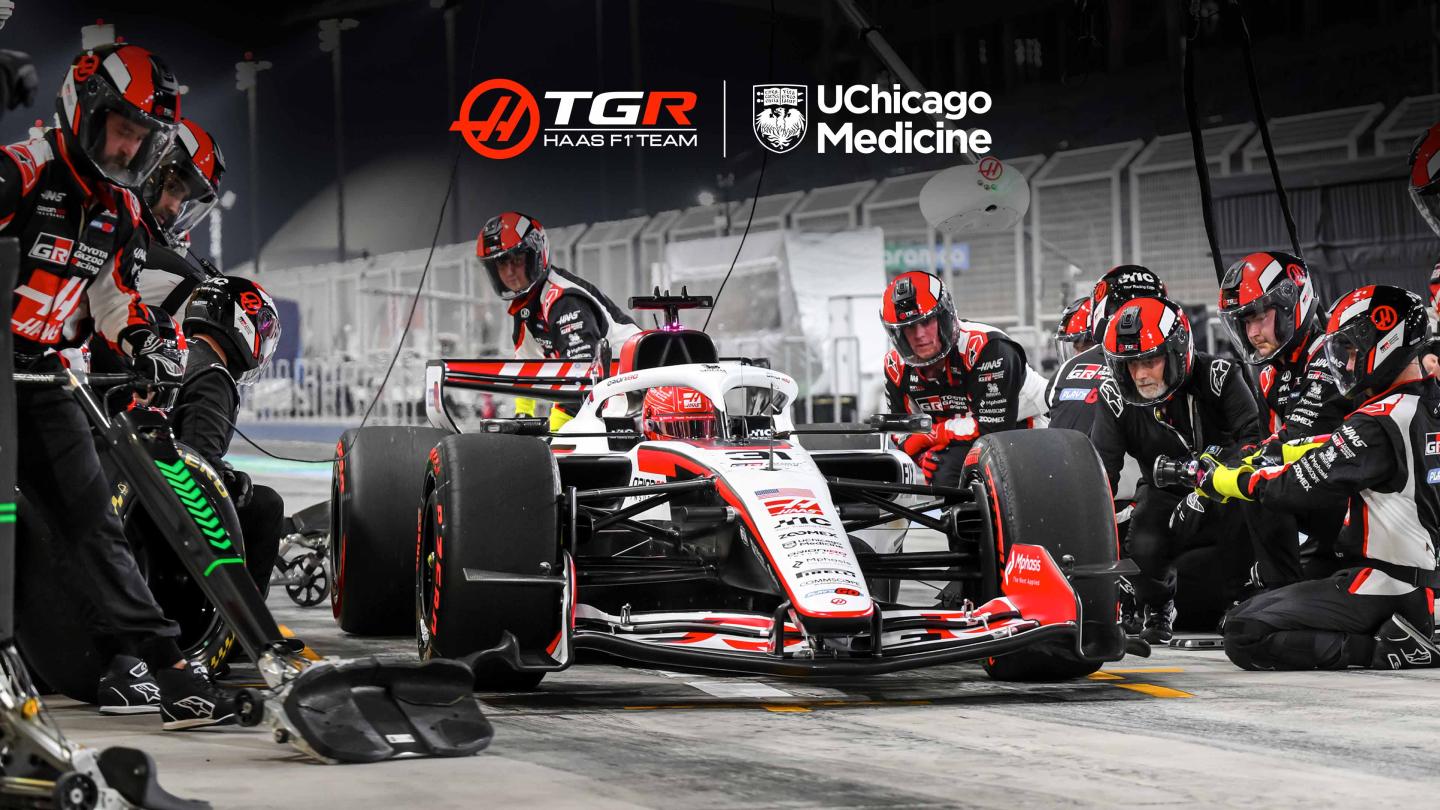
TGR Haas F1 Team has announced a new long-term collaboration and research project with University of Chicago Medicine (UCM), one of the world’s leading academic medical institutions, aimed at understanding the physical and cognitive demands placed on personnel across a Formula 1 season.
The collaboration represents the only study of its kind in the sport to be undertaken alongside a world-leading university. Researchers will explore the cumulative impact of a Formula 1 season, examining key stressors such as sleep, fatigue, stress and team dynamics, with the objective of developing strategies to mitigate these factors in support of long-term health, career longevity and sustainable team performance.
The study will encompass staff from all functions within the travelling team at TGR Haas F1 Team, including mechanics, engineers, marketing, communications, IT, and hospitality personnel. Data will be collected through wearable technology, interviews and structured questionnaires, and analyzed by UCM’s research team.
“Formula 1 is an incredibly demanding environment, not only for drivers, but for everyone working within the sport,” shared Ayao Komatsu, Team Principal of TGR Haas F1 Team. “As a team, we’re always looking to better understand how those demands affect our people and how we can create an environment where our people can operate at their best – both on and off track.”
“I’m delighted with the partnership between UCM and TGR Haas F1 Team and the opportunity it provides for us to collaborate on our strategic objectives in supporting team wellbeing and performance,” shared Dan Martin, Lead Performance Coach of TGR Haas F1 Team. “The modern day F1 schedule with car build, pre-season tests, and over 20 races is challenging both physically – owing to the large amount of travel, jet lag, and the physical nature of race team roles – but also socially with large amounts of time away from home and families. Working alongside the team at UCM we’re looking forward to looking closer at these stressors, quantifying what they mean, but most importantly looking to develop solutions to support all three of health and wellbeing, career longevity, and overall team performance.”
“As a physiotherapist in a multidisciplinary sport science team I see the daily prevalence of physical injury relating to fatigue and load in this environment,” added Faith Atack-Martin, Performance Coach and Team Physiotherapist of TGR Haas F1 Team. “While evidence-based approaches are consistently employed alongside existing knowledge and experience, developing practical, evidence‑based strategies that support health, career longevity, and sustainable team performance will ultimately lead to improved practice, greater impact, and overall health benefits for this team. The collaboration between UCM and TGR Haas F1 Team provides a new and exciting opportunity to support and develop our shared commitment to race team health, performance and career longevity.”
“This initiative brings together the best of two high-performing teams pursuing innovation,” said Andrew Chang, Chief Marketing Officer at UChicago Medicine. “By bringing the depth of our research to one of the most elite teams in motorsport, we can better understand the human engine and what helps people perform at their best. The insights from this study have potential to apply to team environments well beyond this sport.”
“Across a race season, team members are navigating continuous international travel, disrupted sleep cycles and sustained cognitive and physical demands,” said Vineet Arora, M.D., MAPP, Professor of Medicine and Dean for Medical Education at the University of Chicago Pritzker School of Medicine and principal investigator of the study. “Our goal is to understand precisely how these factors interact over time, not just how individuals feel, but what the data tells us, and to develop targeted interventions that support performance, recovery and well-being. What we learn here has the potential to reshape how we support people in any environment where the demands never stop.”
Findings from the research initiative will be published upon completion of the study. For more information, visit https://www.uchicagomedicine.org/landing-pages/human-engine.